Atlantic: Portuguese-language films, from My Mom Is a Character 2, Monica and Friends: Bonds and Eduardo and Monica to Barren Lives, Xingu and Colossal Youth, and where to watch them
189 films from Brazil and Portugal, 1954 to 2026, chosen for the whole household.
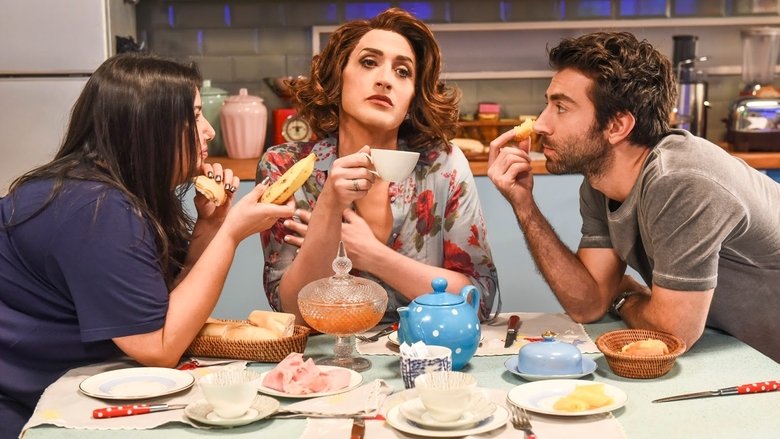 My Mom Is a Character 22016 · Comedy
 Monica and Friends: Bonds2019 · Family, Adventure
 Minha Vida em Marte2018 · Comedy, Romance
On the crest
See all



The western shore: Brazil
See all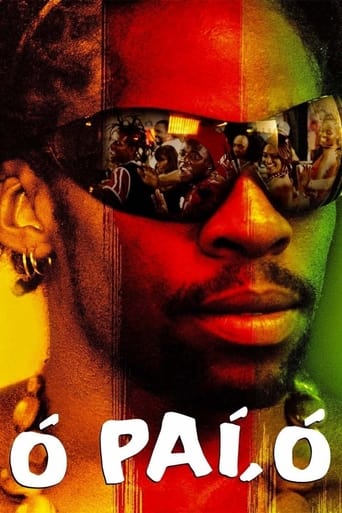





The eastern shore: Portugal
See all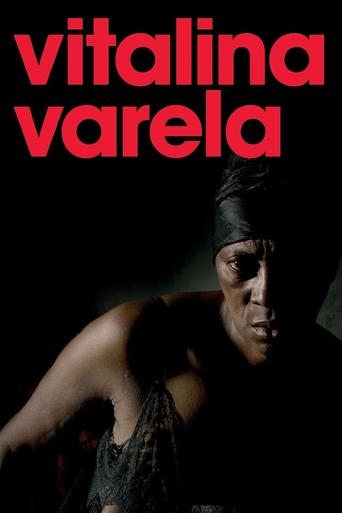

For the family
See all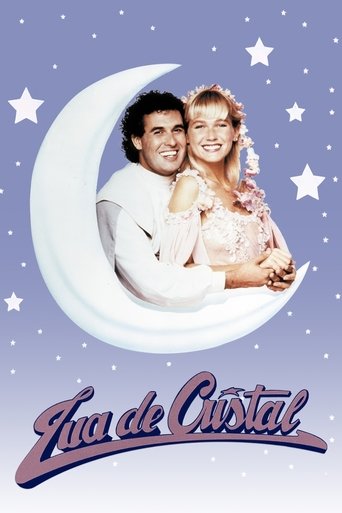

Music and song
See all



Charts
New arrivals
- My Best Friend 2026
- Daddy's in Trouble 2026
- A Bright Lawyer 2025
- Cheer to Life 2025
- Chuck Billy and The Marvelous Guava Tree 2025
- Grand Tour 2024
- Sleeping Princess 2024
- Partiu América 2024
Top rated
- Daddy's in Trouble 2026
- Monica and Friends: Bonds 2019
- All Love Songs 2018
- The Domain 2019
- Monica and Friends: Lessons 2021
- Father’s Chair 2012
- She Said, He Said 2019
- My Mom Is a Character 2 2016
Before 1990
Portuguese-language films for the whole household: the Atlantic guide
Atlantic: Portuguese-language films, from My Mom Is a Character 2, Monica and Friends: Bonds and Eduardo and Monica to Barren Lives, Xingu and Colossal Youth
An ocean lies between Lisbon and Rio de Janeiro, and one language crosses it. More than two hundred and sixty million people speak Portuguese, most of them in Brazil, and the cinema made in that language is among the liveliest and least known in the world. Brazil has one of the largest film audiences on earth and a popular comedy that fills cinemas from Porto Alegre to Manaus. Portugal, a country of ten million, has given the festivals of Europe some of their most admired directors. Atlantic is a guide to 189 films from the two shores, 167 from Brazil and 22 from Portugal, made between 1954 and 2026. Each has its own page, its story, its director and cast, and a Watch now button that leads to the official services carrying it in your country.
The catalogue has been chosen for the whole household. Every film was read through by hand, and the selection favours comedies, family adventures, love stories, films about music and musicians, true stories and the classics of both countries. Crime stories, horror, films of the battlefield, religious tracts and comedies made strictly for adults were left out. What remains is a wide and friendly introduction: the films that Brazilian families watch on a Sunday afternoon, the teenage stories that young viewers follow on their telephones, and a careful shelf of the works on which the reputation of Portuguese-language cinema rests.
This guide explains how the collection is arranged, describes the two national traditions, walks through each list in turn, and ends with a plan for a first month and a short set of questions and answers. Every film named here has a page on Atlantic, and a click on its title opens that page.
Two shores, one language
The two cinemas are very different in scale and temper. Brazil is a continent of a country, and its popular film industry is built on television stars, on comedians known in every household, and on stories of family life told with warmth and noise. Its art cinema has a proud history too, from the Cinema Novo movement of the 1960s, which set out to show the poverty and beauty of the interior with a camera in the hand and an idea in the head, to the directors who travel to Cannes and Berlin today.
Portugal makes far fewer films, and they are often quiet, patient and strange in the best sense. Its most famous director, Manoel de Oliveira, worked until he was past a hundred. Its present masters are known for long takes, for a love of literature, and for a habit of mixing documentary and invention until the two are hard to tell apart. Yet Portugal has a popular tradition as well, the Lisbon comedies of the 1930s and 1940s, full of songs and neighbourhood quarrels, and three recent remakes of those comedies are here.
What the two share, beyond language, is a certain mood that Portuguese speakers call saudade, a tender longing for what is far away or past. It can be heard in the fado of Lisbon and the samba of Rio, and it colours a surprising number of these films, comedies included.
Atlantic follows both across seven decades. There are 19 films from before 1990, 40 from 1990 to 2009, 35 from 2010 to 2015, 46 from 2016 to 2019 and 49 from 2020 onwards. The home page groups them by shore, the western and the eastern, and by theme; the navigation row at the top opens Brazil, Portugal, Comedy and Family directly, and the Charts block lists the newest arrivals, the highest rated and the oldest.
A word on titles. Films are listed under the English title where one is in common use, and under the original Portuguese title where the film has travelled under that name. The search box recognises both, so a viewer who knows a film as Minha Mãe é uma Peça 2 will find it as readily as one who knows it as My Mom Is a Character 2.
Brazilian comedy
Comedy is the heart of Brazilian popular cinema, and the largest list on Atlantic, with 122 films. Its modern queen is Dona Hermínia, the loud, loving, endlessly interfering mother from Niterói created and played by the late Paulo Gustavo, who based her on his own mother. My Mom Is a Character 2 finds her suddenly successful as a television presenter and suddenly alone, as her grown children announce that they are moving to São Paulo. The film was seen by more than nine million people in Brazilian cinemas, and it is funny in a way that needs very little translation: every culture has this mother.
Paulo Gustavo appears again beside Mônica Martelli in Minha Vida em Marte, a comedy about a woman whose marriage is running out of air and the best friend who talks her through it. It continues the story begun in Men Are from Mars... And That's Where I'm Going!, in which the same heroine, a wedding planner approaching forty, plans everyone's happiness but her own. Both grew out of a stage monologue, and both are affectionate and sharp about friendship.
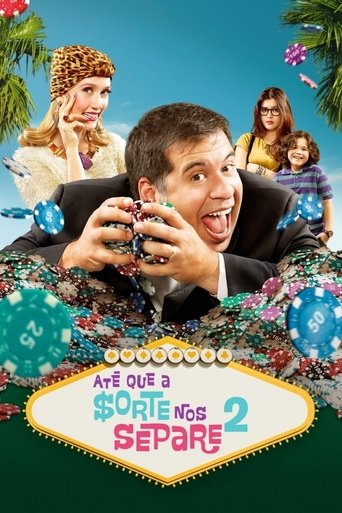
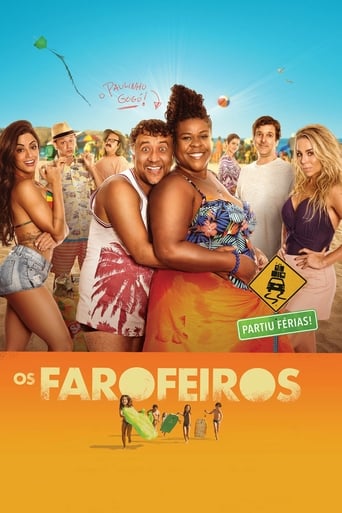
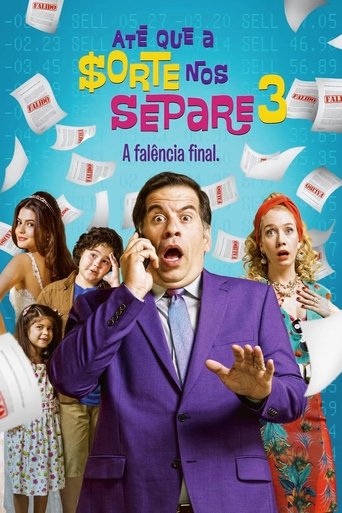
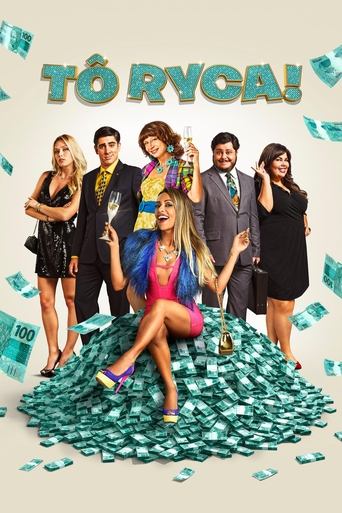
The comedy of sudden money is a Brazilian speciality. In Till Luck Do Us Part 2 and Till Luck Do Us: Part 3, Leandro Hassum plays Tino, a family man who has already won and lost one lottery fortune and now inherits another, with a trip to Las Vegas to follow. In I'm Rich!, a hard-up young woman from the suburbs of Rio must spend thirty million in thirty days, telling nobody why, in order to inherit a great deal more, and Tô Ryca 2 takes the fortune away again. The Beachnickers sends four families from the same workplace on a shared seaside holiday in a rented house that looks very little like the photographs, and The Beachnickers 2 repeats the journey. Os Parças puts four amateurs in charge of a lavish wedding.
The north-east of Brazil has its own school of comedy, proud of its accent and its inventiveness. Cine Holliúdy is its gem. In the interior of Ceará in the 1970s, a man who adores films tours the small towns with a projector and his family, dubbing the action heroes himself in the local dialect, just as television arrives to steal his audience. The film was shot in that dialect and released with subtitles even in Brazil, and its love of cinema is infectious. Cine Holliúdy 2: A Chibata Sideral has the hero make a science-fiction epic of his own. Bem-Vinda a Quixeramobim sends a spoilt heiress from São Paulo to a small town in the same state.
From Bahia comes Ó Paí, Ó: Look at This, set among the neighbours of one crowded old house in the historic centre of Salvador on the last day of carnival, with Lázaro Ramos and a great deal of music; Ó Paí, Ó 2 returns to the same street sixteen years later. From an earlier Brazil comes Jeca Tatu, with Mazzaropi, the country comedian whose slow-talking, sly peasant was the most popular screen figure of the 1950s. Red Carpet is a tribute to him, the story of a farmer who has promised to take his son to see a Mazzaropi film and travels from town to town in search of a cinema still showing one.
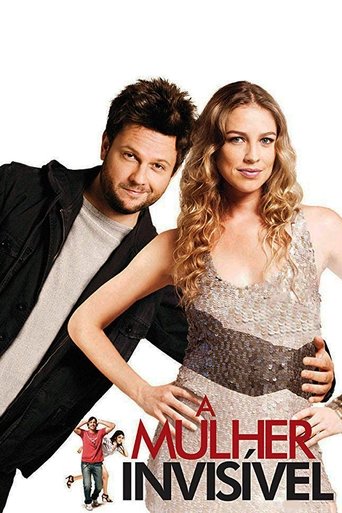
Some of the best comedies are gentler and odder. In A Man Amidst Bees, a young man newly separated from his wife begins, quite literally, to stop seeing people: first strangers, then acquaintances, then those closest to him. It is a comedy with a real idea in it, written by and starring Fábio Porchat. The Invisible Woman gives Selton Mello an ideal neighbour who may exist only in his head. Caramuru: Brazil Reinvented is a bright historical farce about a Portuguese painter shipwrecked on the coast of Bahia in the first years of the sixteenth century and the two sisters who rescue him. Three Summers watches three Decembers at a seaside mansion through the eyes of its resourceful caretaker, played by Regina Casé, and Neurotic Quest for Serenity follows a soap-opera actress with a great many habits she would like to lose.
Family films
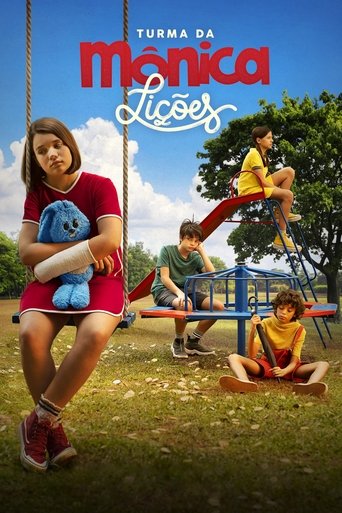
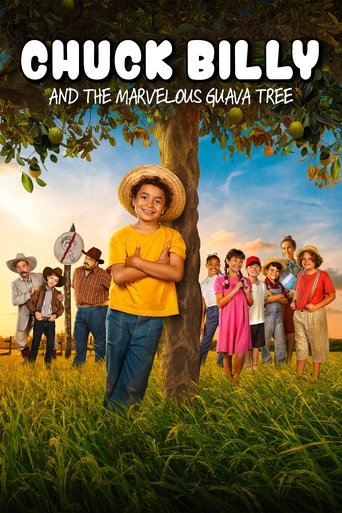
Brazil has made films for children since the early 1950s, and they have long been among the most popular films in the country. The Family list has 43 films, and its modern centrepiece is the pair made by Daniel Rezende from the comics of Mauricio de Sousa. Monica, the small girl in the red dress with the blue toy rabbit, and her friends Jimmy Five, Smudge and Maggy have been read by every Brazilian child since 1959. In Monica and Friends: Bonds the four set off into the woods to find a lost green dog, and in Monica and Friends: Lessons they are separated for the first time after a mishap at school. Both films are faithful, funny and truly moving about what friendship asks of children. Chuck Billy and The Marvelous Guava Tree does the same for the barefoot country boy from the same comics.
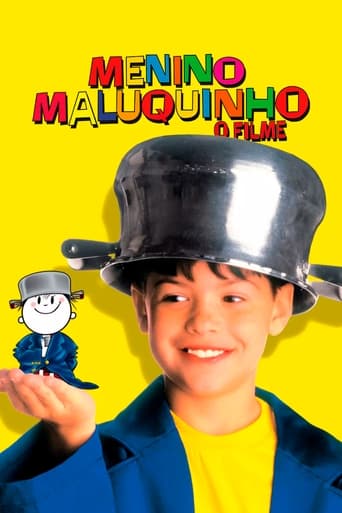
The Nutty Boy comes from another national treasure, the picture book by Ziraldo about a boy who wears a saucepan on his head and has, as the book says, the wind in his feet. The film of 1995 sets him in a small town in Minas Gerais in the 1960s, with a grandfather who builds flying machines, and The Nutty Boy 2 takes him on holiday. Castle Ra-Tim-Bum: The Movie grew out of a much loved educational television series about a three-hundred-year-old apprentice wizard who looks like a boy and lives in a castle in the middle of São Paulo. Tainá: An Amazon Adventure follows a girl of eight who lives in the rainforest with her grandfather and protects its animals.
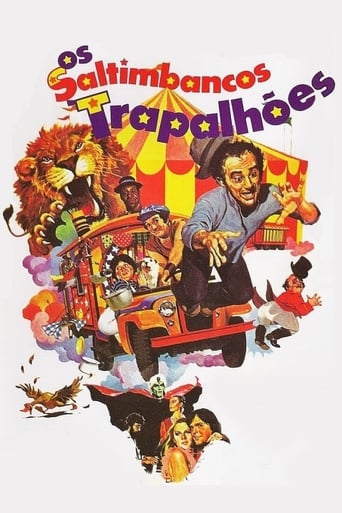
Then there are the stars. Os Trapalhões, the four clowns led by Renato Aragão as the innocent Didi, made a film nearly every year for three decades and sold more cinema tickets than anyone in Brazilian history. Twelve of their films have a list of their own. Os Saltimbancos Trapalhões, from 1981, is the best: the four are odd-job men in a circus, the songs are by Chico Buarque, and the story of performers standing up to a greedy owner has a real sting. Os Trapalhões e o Mágico de Oróz moves the tale of the wizard and the yellow road to the dry backlands of the north-east. O Cinderelo Trapalhão, O Trapalhão nas Minas do Rei Salomão, Os Vagabundos Trapalhões and O Casamento dos Trapalhões show the range of their parodies, and Os Saltimbancos Trapalhões: Rumo a Hollywood, made in 2017, brought Didi and his partner Dedé back to the circus.
Xuxa, the presenter whose morning programme raised a generation, has nine films here. Crystal Moon, from 1990, is a Cinderella story about a country girl who comes to the city to be a singer, and it was the most seen Brazilian film of its year. Xuxa and the Elves and its sequel are woodland fantasies, Xuxa Abracadabra sends a group of children into the world of storybooks, and Xuxa and The Treasure of the Lost City is an adventure with a map. Younger still is the audience for the films of Luccas Neto, a performer who became famous on the internet; Luccas Neto in: The Magical Hotel and Luccas Neto in: Children's Day are bright, simple and very popular with children under ten.
Young viewers
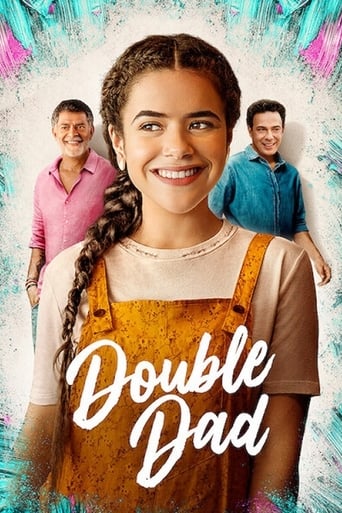
The list called Young viewers, with 73 films, gathers the stories of school, first love and growing up, and it includes a whole recent wave of films made for teenagers. Their leading actresses, Maisa Silva and Larissa Manoela, were child stars of television and have grown up alongside their audience. Maisa is the heroine of DJ Cinderella, in which the girl with the unkind stepmother is a disc jockey and the prince a pop singer, and of Double Dad, about a girl raised in a hippie community who slips away to Rio to find her father and finds two candidates. Larissa Manoela leads Meus 15 Anos: O Filme, The Secret Diary of an Exchange Student and Lulli, in which a medical student gains the power to hear thoughts after an accident with a scanner.
Many of these films are drawn from the novels of Thalita Rebouças, the best-selling Brazilian author for young readers: Fala Sério, Mãe!, which follows a mother and daughter from birth to university in a series of comic quarrels; Everything for a Pop Star, about three friends determined to reach a concert; She Said, He Said, which tells the first term at a new school twice, once from each side; and Confessions of an Invisible Girl, about a clever, clumsy newcomer who would like to be seen. The four films of An Unforgettable Year - Summer, Autumn, Winter and Spring each tell a different love story set in one season, and can be watched in any order.
Music on screen
Brazil is a country that sings, and 42 films are listed under Music. The finest of the biographies is Gonzaga: From Father to Son. Luiz Gonzaga, with his accordion and leather hat, carried the dance music of the dry north-east to the whole nation in the 1940s and was crowned the king of baião; his son, raised far from him in Rio, became a singer of a very different kind. The film tells both lives through one long, difficult conversation between the two men, and its music is glorious.
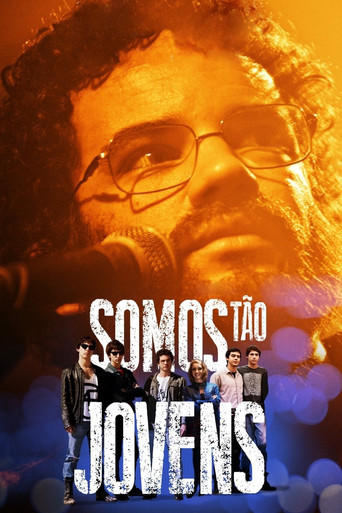
Eduardo and Monica is built on a single song. In 1986 the rock band Legião Urbana recorded a ballad about an unlikely couple, a schoolboy of sixteen who plays table football and an older medical student who paints and reads poetry, and every Brazilian of that generation knows it by heart. The film, set in Brasília in the same year, turns its verses into a tender love story with Alice Braga and Gabriel Leone. We're So Young looks at the same city a few years earlier, when the future leader of that band was a teenager discovering punk.
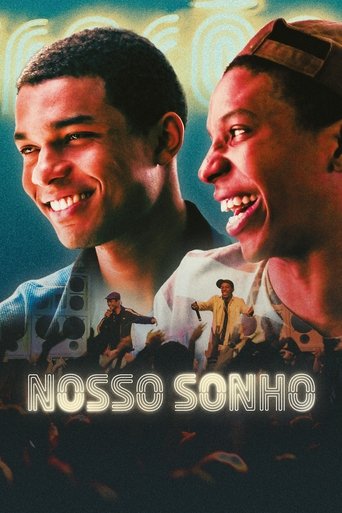
Nosso Sonho tells the story of Claudinho and Buchecha, two boyhood friends from a poor district near Rio who became the most beloved duo in Brazilian pop in the 1990s. Minha Fama de Mau recalls the young Erasmo Carlos and the birth of Brazilian rock and roll, and Chacrinha: O Velho Guerreiro the wild television host who gave so many singers their first appearance. Villa-Lobos: A Life of Passion is a portrait of the country's greatest classical composer. Stories of Samba sits the old samba composer Adoniran Barbosa at a café table to remember a vanished São Paulo, and Rio, Northern Zone, made in 1957 by Nelson Pereira dos Santos, follows a samba writer from the hills, played by the great Grande Otelo, whose songs make everyone famous but himself.
The Violin Teacher is based on a real project. A gifted violinist who has frozen at an audition for the state symphony orchestra takes a job teaching music to teenagers at a school in the largest favela of São Paulo, and discovers what an orchestra can mean to them and to him. Lázaro Ramos plays the teacher, and the young musicians play themselves. All Love Songs connects two couples, twenty years apart, through a cassette tape found in a flat. Ana e Vitória lets a real folk-pop duo play a lightly fictional version of their own beginnings, and Zero to Hero is a comedy about a would-be rock singer who must stand in for a country star who looks exactly like him.
From Portugal comes Amália, the life of Amália Rodrigues, the voice of fado, who took the songs of the Lisbon taverns to the concert halls of the world. And Our Beloved Month of August by Miguel Gomes is unlike any other music film: it begins as a documentary about the summer dance bands that tour the mountain villages of central Portugal, and slowly, almost before the viewer has seen it happen, becomes a love story among the members of one of them.
Classics from Brazil
Nineteen films date from before 1990, and several are landmarks. Rio, 100 Degrees F°, made in 1955 by Nelson Pereira dos Santos, follows five boys from a hillside community as they sell peanuts across Rio on a scorching Sunday, at the beach, the football stadium and the Sugarloaf. It was shot in the streets with a borrowed camera, and the young directors who came after took it as their starting point. His Barren Lives, from 1963, is the masterpiece of the movement they founded. A herdsman, his wife, their two sons and their dog walk across the drought-stricken backlands in search of work, find a year of shelter, and walk on. The film is spare, sunlit and unforgettable; it was shown at Cannes and has been ranked among the best Brazilian films ever since. It is a serious work, and one chapter concerning the family dog is very sad, so it suits older children and adults.
São Paulo, Incorporated, from 1965, turns to the city: a young manager rises with the new car industry and wonders what his success is worth. Better Days Ahead is a late work by Carlos Diegues about a woman who dubs foreign television series and dreams of Hollywood. The popular cinema of the same decades is represented by Mazzaropi and by the early films of Os Trapalhões.
Brazilian drama today
The Drama list has 77 films, and the recent Brazilian ones are strong on family, landscape and work. Xingu tells a true story of unusual importance. In the 1940s three brothers from São Paulo, the Villas-Bôas, joined a government expedition into the unmapped centre of the country, met peoples who had had little contact with the outside world, and spent the rest of their lives working to protect them. Their efforts led in 1961 to the creation of the first great indigenous reserve in Brazil. Cao Hamburger filmed the story on the rivers where it happened, with members of the Xingu peoples in the cast.
The House of Sand is a film of astonishing images. In 1910 a pregnant woman and her mother are brought by a husband to the white dunes of Maranhão, a desert of sand and lagoons on the northern coast, and left there by his sudden absence. Three generations of women live out their lives in that place across sixty years, and the two great actresses Fernanda Montenegro and her daughter Fernanda Torres exchange roles as the decades pass. The Movie of My Life, directed by the actor Selton Mello, is set in the southern hills in 1963: a young teacher returns to his village to find that his French father has gone back to Europe, and learns to live in the gap he has left. It is a warm, golden film about cinemas, trains and first love.
The road is a favourite Brazilian subject. The Middle of the World is the true story of a lorry driver who set out with his wife and five children on bicycles to ride three thousand kilometres from the north-east to Rio in search of a wage he had named in advance. Buddies sends three friends with Down syndrome, great lovers of films, off in a borrowed car to make their three wishes come true; the three actors won hearts across the country. I Travel Because I Have to, I Come Back Because I Love You is the diary of a geologist crossing the backlands alone, and Gabriel and the Mountain retraces the last journey of a young Brazilian traveller in East Africa with the people who really met him.
Family is the other great subject. In Father’s Chair, Wagner Moura plays a doctor whose teenage son leaves home, and who follows his trail across two states, learning on the way who the boy is. Just Like Our Parents by Laís Bodanzky is a wise portrait of a woman in her late thirties caught between her mother, her daughters and her own unfinished ambitions. Two Irenes is about a girl of thirteen who discovers that her father has a second family, and a second daughter with her own name. Long Way Home follows a public-health worker who moves to a new town for a job and slowly makes a life there. O Filho Eterno is the story of a young writer learning to be the father of a boy with Down syndrome, set against twelve years of football World Cups.
Sport provides two true stories. 10 Seconds to Win is the life of Éder Jofre, the bantamweight from São Paulo who became world champion in 1960, and of the father who trained him. Stronger Than The World follows José Aldo from a childhood in Manaus to a world title in mixed martial arts. O Menino da Porteira is a country tale built on a famous song about a cattle drover and the boy who opens the gate for him. The Storytellers is a delightful comedy-drama in which the people of a village that is to be flooded by a dam decide to write down its heroic history, and find that every inhabitant remembers it differently. The Machine is a romantic fable of the backlands, and Chatô, The King of Brazil a carnival of a film about the press baron who brought television to the country.
Romance
Forty-four films are listed under Romance. Air Bridge is a modern love story between Rio and São Paulo: two young people meet when their flight is diverted, and try to keep a relationship alive across the busiest air route in the country. Rich in Love 2 takes its tomato heir and his doctor to the Amazon. Mad about Her, Maybe a Love Story and Suspension Points are light comedies of errors, the last about a young doctor who learns that the letters he has treasured were written by someone else. Sleeping Princess, Traces of Love and Lost Sofia add a touch of fantasy.
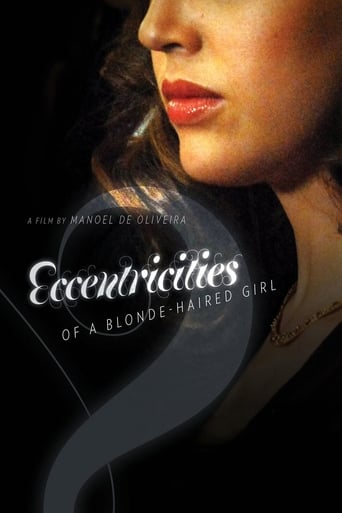
Two films stand a little apart. Owner of the Story lets a woman in her fifties meet her eighteen-year-old self and argue with her about the choices to come; Marieta Severo and Débora Falabella share the part. Two Summers by Jorge Furtado is a comedy of a teenage boy's two seaside holidays and the girl who complicates both. And from Portugal, Eccentricities of a Blonde-Haired Girl is a sixty-four-minute jewel made by Manoel de Oliveira at the age of one hundred, from a story by Eça de Queirós: a young clerk in Lisbon sees a girl with a fan at the window opposite and tells a stranger on a train what came of it.
The eastern shore: Portugal
The 22 Portuguese films on Atlantic are few beside the Brazilian ones, but they include some of the most admired European films of the last sixty years. The story begins in 1963 with The Green Years, the first feature of Paulo Rocha and the founding work of the new Portuguese cinema. A boy of nineteen arrives in Lisbon from the country to learn the cobbler's trade, falls on his first day into a hole in the road, and is helped by a housemaid of his own age. Their Sundays together on the unfinished edges of the growing city, to one of the loveliest guitar scores ever written for a film, are tender, funny and finally troubling.
Manoel de Oliveira is represented by two works forty years apart: Doomed Love, his vast and faithful film of the great romantic novel by Camilo Castelo Branco, made for television in 1979 and now regarded as one of his supreme achievements, and the late miniature Eccentricities of a Blonde-Haired Girl. Silvestre, made by João César Monteiro in 1982, weaves two medieval folk tales into the story of a nobleman's daughter who disguises herself as a knight; a very young Maria de Medeiros plays her, and the painted settings are like pages from an illuminated book. His short film A Walk with Johnny Guitar is also here.
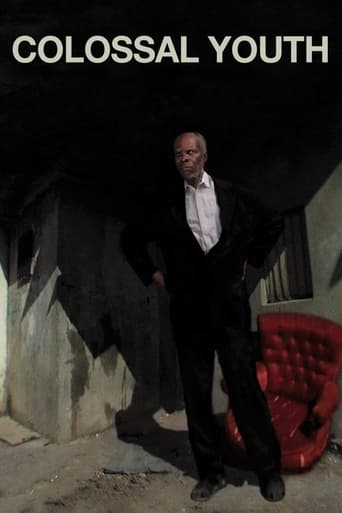
Pedro Costa is the most celebrated Portuguese director working today, and three of his films are listed. Casa de Lava takes a nurse from Lisbon to the volcanic island of Fogo in Cape Verde. Colossal Youth and Vitalina Varela were made over many years with the Cape Verdean residents of a Lisbon neighbourhood, who play versions of themselves in rooms lit like old master paintings; the second won the highest prize at the Locarno festival in 2019. These are slow, grave and very beautiful films for patient adult viewers.
Miguel Gomes is the playful one. Besides Our Beloved Month of August, Atlantic lists Arabian Nights: Volume 3, The Enchanted One, in which Scheherazade walks out of her palace and the story turns to the working men of Lisbon who train chaffinches to sing in competitions; The Tsugua Diaries, a summer diary told backwards, day by day, made with Maureen Fazendeiro; and Grand Tour, which won him the prize for best director at Cannes in 2024. In 1918 a British official in Rangoon flees on the day his fiancée arrives to marry him, and she, laughing, follows him across Asia from city to city. The film mixes studio scenes with footage of the same places today, and it is as light as it is clever.
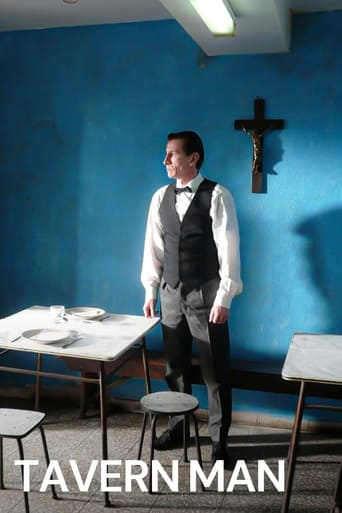
The Domain is a family saga spanning half a century on one of the largest estates in Europe, on the south bank of the Tagus, and was shown in competition at Venice. Colo by Teresa Villaverde is a quiet study of a Lisbon family in hard times, and Fragile as the World by Rita Azevedo Gomes a poetic tale of two very young lovers. Tavern Man is a wordless short by the Finnish master Aki Kaurismäki, made in the old town of Guimarães.
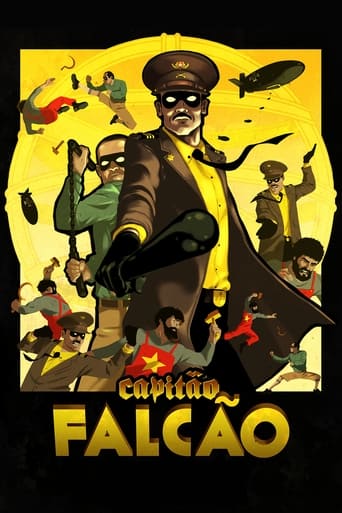
And there is the popular side. O Costa d'África, from 1954, is a comedy of the old school about a man who has let his family believe he made a fortune overseas. O Leão da Estrela and The Courtyard of the Ballads are two of the three modern remakes of the classic Lisbon comedies of the 1940s, about a football-mad clerk who borrows a grand house for a weekend and about the feuds, serenades and reconciliations of one small courtyard during the June festivals. The Portuguese Falcon is a broad parody of superhero films set in the 1960s, and My Best Friend, new in 2026, a comedy of two mothers on a journey to visit their daughters abroad.
Adventure and fantasy
The Adventure list brings together 42 films of journeys, magic and daring, most of them for families. Me and My Umbrella sends three friends on the last night of the holidays into a mysterious school after a stolen umbrella. The Boy in the Mirror has a boy whose reflection steps out of the glass to take his place at the dull moments of life. Acquária imagines a future in which water is the rarest treasure. It's a Fairy! gives a schoolgirl a fairy godmother who has a great deal to learn herself. The Trapalhões parodies of Robin Hood, Ali Baba and King Solomon's mines belong here too, alongside the Xuxa fantasies.
True stories
Twelve films are gathered under True stories. Several have been described: Xingu, Gonzaga: From Father to Son, 10 Seconds to Win, Stronger Than The World, The Middle of the World and Chatô, The King of Brazil. Jules and Dolores is a comic account of one of the oddest episodes in the history of sport, the disappearance in 1983 of the trophy that Brazil had been given to keep for ever after winning the football World Cup three times. Caramuru: Brazil Reinvented plays freely with the legend of the first Portuguese settler in Bahia. Brazilian film-makers are fond of retelling their own history with a smile, and these films are a pleasant way to learn a good deal of it.
More comedies to explore
With 122 comedies in the catalogue there is a great deal more to find. Um Tio Quase Perfeito and its sequel are about a cheerful trickster who is suddenly put in charge of his sister's three children and is reformed by them. Sai de Baixo: O Filme reunites the cast of a famous television farce. O Concurso follows four candidates from four corners of Brazil through the weekend before an examination for a judgeship. Mato Sem Cachorro is about a couple, a break-up and the custody of a dog that faints when excited. Dress to Wed sets a bridegroom loose in a wedding dress on the eve of the ceremony. The Inheritance gathers four sisters to divide their mother's flat, and Couples Counseling sits two partners in front of a therapist who has heard everything.
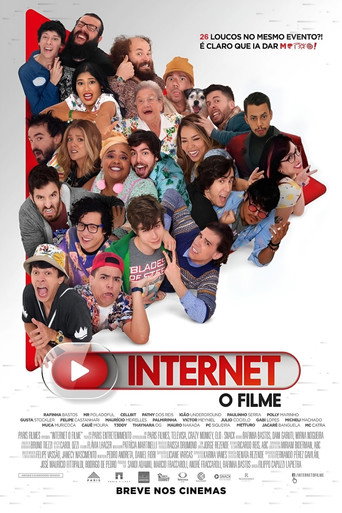
Recent years have added Minha Irmã e Eu, in which two very different sisters cross the country in search of their missing mother; Partiu América, in which a family from the interior wins a trip to the United States; Daddy's in Trouble, A Bright Lawyer and Cheer to Life. Fenced In is a comedy of neighbours in a street closed for building work, and And They Say I Am the Crazy One the story of a woman with too many roles to play in one day. Internet - The Movie gathers the stars of Brazilian online video at a single convention, and StoryJester is a romantic comedy about a man who invents stories for a living.
Using Atlantic
The site is laid out like a small magazine. The navy header carries the name in the centre and the search box on the right; a wave line runs beneath it, and under the wave the navigation row leads to Films, Brazil, Portugal, Comedy, Family, the A to Z index, My List and Help. The home page opens with three large stills from featured films, and then presents rows of posters: the films on the crest, which are the most popular, then the western shore and the eastern shore, then family films and music. A dark Charts block lists the newest arrivals, the highest rated and the oldest titles as three numbered lists. On a telephone the navigation folds away behind the button with three lines at the top left.
Every film has a page of its own. At the top are the poster, the title in English and in Portuguese, the year, the running time and the genres. Below come the story, the director and the leading actors. The Watch now button sits beside the poster. Choose your country from the list, press the button, and JustWatch opens with the services that carry that film where you live: subscription services, shops for rental and purchase, and free services supported by advertising. Brazil and Portugal are the first two countries in the list, since most of these films are most widely available there, but many have travelled, and the large international services carry a good number of the recent Brazilian comedies and teenage films worldwide.
My List keeps the films you mean to watch. Press Add to My List on any film page, and the title is saved in your own browser; the My List link in the navigation row shows everything you have saved, and a button there stores the list as a small file that you can carry to another device. The list is private to you and asks for neither an account nor a password.
Watching in Portuguese
Most of these films are offered with English subtitles on the international services, and many with Spanish and French as well. For learners of Portuguese they are an excellent classroom. The teenage films use the everyday speech of Rio and São Paulo, clear and quick. The comedies of the north-east, Cine Holliúdy above all, are a joyful introduction to regional accents. The Portuguese films let the ear compare the European form of the language, with its closed vowels and swallowed syllables, to the open, musical Brazilian form; a week spent with The Green Years and The Movie of My Life side by side teaches more about that difference than a chapter of grammar. The page for each film gives its original title, which is the name to use when searching a Brazilian or Portuguese service.
Directors to know
A handful of names recur across the lists, and following one of them is a good way to explore. Nelson Pereira dos Santos, often called the father of modern Brazilian cinema, is here with three films from three moods: the street chronicle Rio, 100 Degrees F°, the samba drama Rio, Northern Zone and the austere Barren Lives. Seen in that order, they trace the birth of a national cinema in eight years.
Cao Hamburger began in children's television and has the rare gift of speaking to young and old at once; Castle Ra-Tim-Bum: The Movie and Xingu could hardly be more different in subject, yet both are generous and exact. Laís Bodanzky makes films about how people really live together, and Just Like Our Parents is her finest. Selton Mello, one of the best loved Brazilian actors, appears in The Invisible Woman and Caramuru: Brazil Reinvented and steps behind the camera for The Movie of My Life. Daniel Rezende, who was nominated for an Academy Award as a film editor before he turned to directing, brought the Monica comics to life with a lightness that many thought impossible.
In popular comedy the names to follow are Halder Gomes, the champion of the north-eastern accent in the two Cine Holliúdy films and Os Parças; Roberto Santucci, the craftsman behind the lottery comedies and The Beachnickers; and Bruno Garotti, who directed DJ Cinderella, Everything for a Pop Star, Confessions of an Invisible Girl and The Secret Diary of an Exchange Student and has done more than anyone to shape the Brazilian teenage film. Tizuka Yamasaki, a pioneer among women directors in Brazil, made Crystal Moon and O Noviço Rebelde, in which Didi the clown enters a seminary and turns it upside down.
On the Portuguese side the pairing of Pedro Costa and Miguel Gomes is the one to remember: the first severe, nocturnal and devoted to a single community, the second sunny, restless and in love with storytelling itself. Between them stands the long shadow of Manoel de Oliveira, whose career ran from silent film to the digital age.
A first month
For a newcomer, here is one way to spend four weeks with the collection, two films a week.
In the first week, meet the families. Watch My Mom Is a Character 2 for the mother everyone recognises, and Monica and Friends: Bonds with any children in the house; adults will enjoy it just as much.
In the second week, listen. Eduardo and Monica and Gonzaga: From Father to Son show two Brazils, the modern capital and the old north-east, through the songs that belong to each.
In the third week, travel inland. Xingu goes to the rivers of the centre and The House of Sand to the dunes of the northern coast. Both were filmed where their stories took place, and both leave images that stay in the mind.
In the fourth week, cross the ocean. Begin with The Green Years, which is short and immediately winning, and end with Grand Tour, which shows how adventurous Portuguese cinema has become. Anyone who wants one more evening should add Barren Lives, the classic against which every Brazilian film is still measured.
After that the lists are yours to explore. Top rated holds the 45 films with the highest scores from viewers; the year lists let you move through seven decades in order; and the Os Trapalhões and Xuxa lists are there for anyone curious about what Brazilian children were watching in 1981 or 1990.
How the films were chosen
Every title on Atlantic was selected by a person and checked by hand. The starting point was the full record of Portuguese-language feature films held by TMDB with a poster, a still image and a written description, which came to several hundred candidates. From that list we set aside crime stories, horror, films of the battlefield, political chronicles, religious and devotional films, recorded stand-up shows and anything made for adults. We then read each remaining description, kept the films that a family could watch together or that an adult could watch with a parent in the room, and looked a second time at any that raised a doubt.
The result has a clear character: 122 comedies, 77 dramas, 44 love stories, 43 family films, 42 adventures and 42 films about music, with many titles counted under more than one heading. Each film appears on Atlantic alone among our sites, so the catalogue is its own. Posters, cast lists and descriptions come from TMDB, and the Watch now links are provided by JustWatch, which records where each film is officially available country by country.
A note on the name. Atlantic is an independent guide, and its design, with the navy header and the wave line, was drawn for this site. The ocean in the name is the one that Portuguese sailors crossed five centuries ago and that the language crossed with them; the films on either side of it have been talking to each other ever since.
Questions and answers
Questions
What is Atlantic?
Atlantic is a guide to 189 Portuguese-language films from Brazil and Portugal, made between 1954 and 2026 and chosen for the whole household. Each film page gives the story, year, director and cast, and a Watch now button that leads to the official services carrying the film in your country.
Which film should I watch first?
Start with My Mom Is a Character 2, Monica and Friends: Bonds or Eduardo and Monica. The first-month plan in the guide suggests an order for eight films.
Is the catalogue suitable for families?
Yes. Every film was screened by hand, and the selection keeps to comedies, family adventures, love stories, music films, true stories and classics.
Are the films available with subtitles?
Most official services offer English subtitles, and many add Spanish and French. The services listed for each film show what they provide.
How many films come from Portugal?
Twenty-two, from O Costa d'África in 1954 to Grand Tour and My Best Friend. The Portugal link in the navigation row lists them all.
Who are Os Trapalhões?
They were a troupe of four clowns led by Renato Aragão, the most popular comedians in Brazilian cinema history. Twelve of their films have a list of their own.
How does My List work?
Press Add to My List on any film page. The list is kept by your own browser, free of charge, and the My List link in the navigation row opens it.
Does Atlantic host films or downloads?
Atlantic is a guide only. Every Watch now button leads to an official, licensed service.